
People often confuse hibachi and teppanyaki. Here’s the simple breakdown.
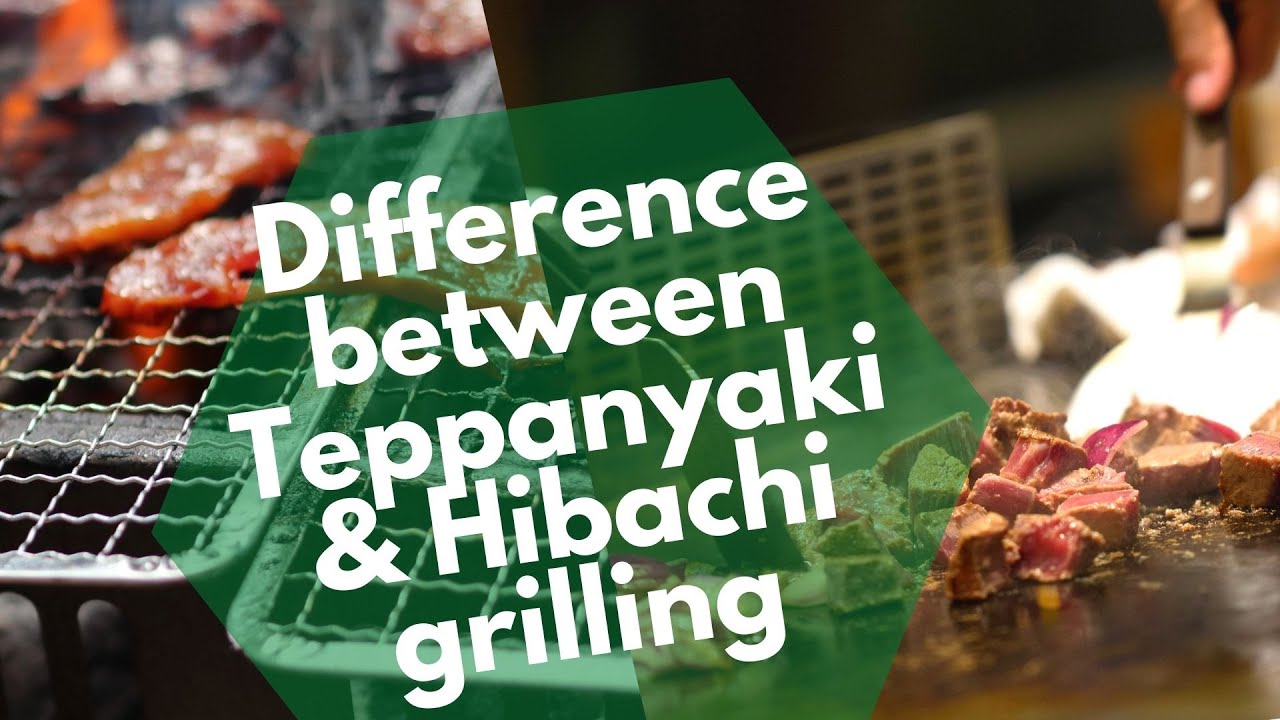
Many people use the words hibachi and teppanyaki interchangeably, especially in the U.S. But in reality, they refer to two completely different Japanese cooking styles.
If you’ve ever been to a “hibachi restaurant” with chefs doing fire tricks, juggling utensils, and cooking steak on a flat metal grill — that’s actually teppanyaki, not hibachi.
This guide breaks down the exact differences so you know what each term really means.
1. What Is Hibachi?
Hibachi (火鉢) means “fire bowl” in Japanese.
⭐ Traditional Hibachi Features:
-
A small, round, open-top grill
-
Uses charcoal as the heat source
-
Grate sits directly above the flame
-
Simple cooking (meat, vegetables, skewers)
-
No tricks, no flat-top griddle
Flavor Profile
Hibachi cooking creates:
-
Smoky flavor
-
Charred exterior
-
Grill-style cooking
Real-world example
Think of hibachi as a Japanese charcoal BBQ, not the flashy restaurant show Americans imagine.
🍳 2. What Is Teppanyaki?
Teppanyaki (鉄板焼き) literally means “grilling on an iron plate.”
This is the style used in American “hibachi restaurants.”
⭐ Teppanyaki Features:
-
Large flat iron griddle
-
Chefs cook in front of guests
-
Knife tricks & fire shows
-
Steak, shrimp, fried rice, noodles, veggies
-
Oil, soy sauce, garlic butter for flavor
Flavor Profile
Teppanyaki cooking creates:
-
Clean, savory flavors
-
Light browning instead of smoky char
-
Richness from butter + soy
🔍 3. Hibachi vs Teppanyaki: Key Differences
1️⃣ Cooking Surface
-
Hibachi: Open charcoal grill with grates
-
Teppanyaki: Flat iron griddle
2️⃣ Flavor
-
Hibachi: Smoky, BBQ-like
-
Teppanyaki: Savory, buttery, clean
3️⃣ Experience
-
Hibachi: Simple grilling
-
Teppanyaki: Chef performance + show
4️⃣ Common Dishes
-
Hibachi: Skewers, vegetables, small cuts
-
Teppanyaki: Steak, shrimp, fried rice, noodles
5️⃣ Heat Source
-
Hibachi: Charcoal
-
Teppanyaki: Gas or electric flat-top
4. Why Americans Call Teppanyaki “Hibachi”
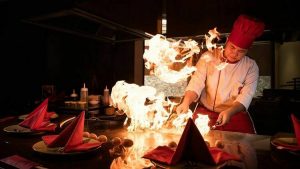
The confusion began in the 1960s when U.S. restaurants (like Benihana) branded teppanyaki as “hibachi-style.”
Reasons Americans still use the wrong term:
-
“Hibachi” is easier to pronounce
-
Marketing and restaurant menus used it for decades
-
Most people never saw a real hibachi charcoal grill
-
Teppanyaki grew popular as an entertainment dining experience
Today, when people say “hibachi restaurant,” they almost always mean teppanyaki show cooking.
🥩 5. Which Style Do Hibachi Catering Companies Use?
Almost 100% of hibachi catering services in the U.S. provide teppanyaki, not true hibachi.
Catering chefs use:
-
Flat-top griddles
-
Fire tricks
-
Interactive cooking
-
Garlic butter + soy flavors
Why?
Because teppanyaki is:
-
Safer
-
More entertaining
-
More versatile
-
Requires no charcoal
-
Ideal for steak, seafood, rice, noodles
So when you hire “hibachi catering,” you’re really getting a teppanyaki chef experience — which most customers prefer.
🎯 6. Which One Is Better?
It depends on your taste and event style.
Hibachi is better if you want:
-
Smoky flavor
-
Simple grilling
-
Traditional Japanese charcoal cooking
Teppanyaki is better if you want:
-
A live show
-
Knife tricks
-
Fire onion volcano
-
Steak, shrimp, fried rice, noodles
-
Entertainment + food together
For catering and parties, teppanyaki wins every time.