
Hibachi catering prices vary by steak type because each cut has different costs for the caterer. Premium steaks like tenderloin and ribeye cost more to buy, require more skill to cook, and have higher waste during preparation. Budget cuts like sirloin or flat iron are more affordable and have lower loss, resulting in cheaper catering packages. Market supply, USDA grade, portion size, and chef labor also influence final pricing.
By: Yokohama Hibachi ,A top rated hibachi catering company in the USA
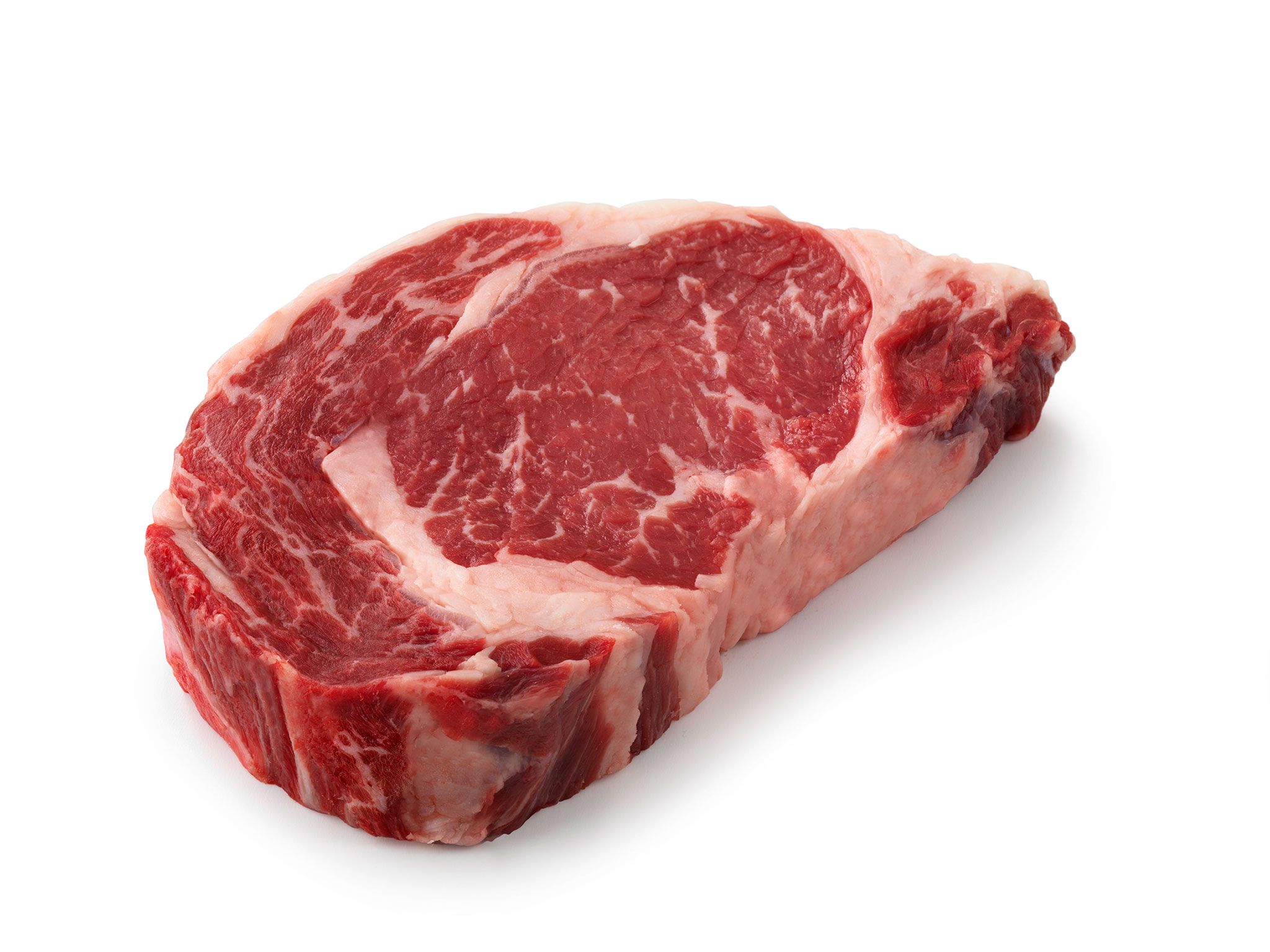
1. Ribeye — Rich, Juicy, Most Tender
Characteristics:
-
Highest marbling
-
Very tender, buttery, juicy
-
Sweet beefy aroma, strong fat flavor
Best for: People who love rich, melt-in-your-mouth steak.
2. Striploin / Sirloin — Strong Beef Flavor, Medium Tender
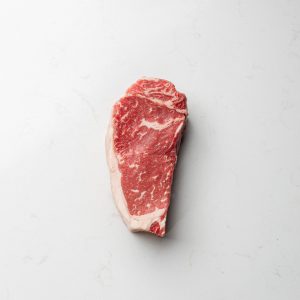
Characteristics:
-
Less fat than ribeye
-
Firmer bite but still tender
-
Stronger beef flavor
Best for: Those who prefer flavor over fat.
3. Tenderloin / Filet Mignon — Softest, Leanest, Mild Flavor
Characteristics:
-
Softest cut with almost no fat
-
Extremely tender
-
Mild flavor — often paired with sauces (red wine, peppercorn)
Best for: Those who want tender, lean steak with no chewiness.
4. T-bone / Porterhouse — Two Textures in One
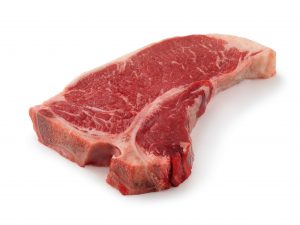
Characteristics:
-
Contains striploin + tenderloin
-
Porterhouse has a larger tenderloin section
-
Mix of rich beef flavor and soft tenderness
Best for: People wanting variety in one steak.
🥩 Why Hibachi Catering Prices Vary Based on Steak Type
Hibachi catering pricing often changes depending on which steak cut a customer selects. This is because different cuts have different market costs, quality grades, yield, and cooking requirements. Here are the key factors that create price differences.
1. Different Steak Cuts Have Big Cost Differences
Not all beef is priced equally. For example:
-
Filet mignon / tenderloin = most expensive (low supply, premium tenderness)
-
Ribeye = high marbling, higher cost
-
Striploin / sirloin = mid-range
-
Flat iron or chuck = lower cost
The wholesale price can vary 2×–4× depending on the cut, so catering packages rise accordingly.
2. USDA Grades Affect Price (Prime, Choice, Select)
Higher grades = higher cost.
-
Prime: highest marbling, restaurant-quality
-
Choice: common for good hibachi
-
Select: budget, less marbling
If a package uses Prime ribeye or tenderloin, the price goes up significantly.
3. Fat Content & Yield Loss Impact Cost
Some cuts (like ribeye) have more fat, meaning a portion of the meat cooks away.
Tenderloin has low waste, but costs more per pound.
Caterers must account for:
-
Trim loss
-
Cook loss
-
Portion control
Higher waste = higher menu pricing.